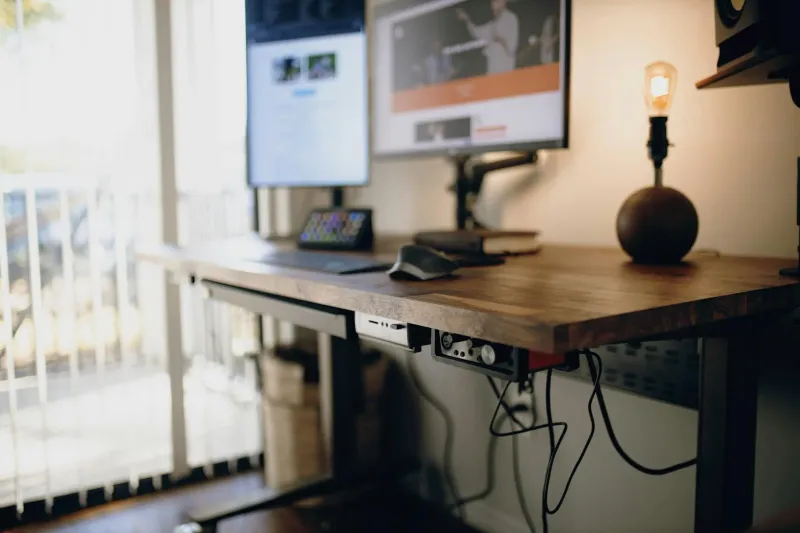
IKEA BEKANT and FlexiSpot E7 became the comparison people kept asking about because they represented two different buying instincts. BEKANT was the simple IKEA route: see it, buy it, build it, start working. FlexiSpot E7 was the spec-driven route: stronger frame, better motors, memory presets and a more serious standing-desk feel.
That comparison is still useful, even if the exact models are no longer the cleanest new-buy choices. Many people still see them used, or use them as mental benchmarks when comparing current standing desks.
Short answer
If both were in excellent used condition at the same price, I would choose the FlexiSpot E7 for full-time remote work. It was more stable, more capable and easier to use as a daily sit-stand desk because of memory presets.
If the BEKANT is much cheaper and you can test the motor in person, it can still be a reasonable used buy. But I would not overpay for it. Once the price approaches a new budget electric desk, buying new is usually safer.
Check FlexiSpot EC5 PRO on Amazon (opens in a new tab) Check JUMMICO standing desk on Amazon (opens in a new tab)Why these two desks were compared so often
The BEKANT and the E7 represented two different ways of buying a standing desk.
IKEA BEKANT was the easy retail choice. You could see it in a showroom, buy the complete desk and assemble everything from one ecosystem. That mattered for people who did not want to compare frames, tops, motor specs and controllers.
FlexiSpot E7 was the spec-driven choice. It appealed to people who cared about frame strength, motors, memory presets and long-term use. It felt more like a technical home-office purchase than furniture.
That contrast is still useful today. Most current alternatives still fall into one of those two categories: easy complete desk or stronger frame-first setup.
Face-to-face comparison
| Criterion | IKEA BEKANT | FlexiSpot E7 |
|---|---|---|
| Buying experience | Complete IKEA desk | More technical frame-led purchase |
| Main strength | Simplicity and availability | Stability, motors and presets |
| Best user | Casual or simple home office | Full-time remote worker |
| Setup flexibility | Limited | Higher, especially with custom tops |
| Used-buy risk | Motor age and wobble | Motor age, frame condition and missing parts |
| Current role | Used reference point | Benchmark for stronger alternatives |
The E7 was the better desk for serious sit-stand work. BEKANT was the easier product to buy and understand.
What the specs meant in real use
The old spec-sheet comparison was not cosmetic. It changed how the desks behaved every day.
BEKANT was built around a simpler electric desk idea: complete package, easy assembly and a familiar retail experience. That worked well for a light setup: laptop, one monitor, keyboard, mouse and a few accessories.
E7 was closer to work equipment. Its stronger frame, dual-motor logic, higher load margin and memory presets made it better for people who actually changed height several times a day.
The memory presets were the biggest daily difference. A desk without presets still moves, but you have to hold the button and stop by feel. That small friction is enough for many people to stop using the standing position after the first few weeks.
The second difference was stability. A standing desk can feel fine while sitting and annoying while raised. Once you add monitor arms, two displays or a heavy desktop, frame strength matters more than showroom appearance.
FlexiSpot E7: what mattered under the desk
The E7’s advantage was not only that it moved up and down. It was the overall frame confidence: stronger structure, better controls and the practical usefulness of memory presets.
For daily remote work, memory presets matter. If you have to manually fine-tune every height change, you stop alternating. With presets, sitting and standing become one-button actions.
The E7 also made more sense for people using heavier desktops, monitor arms or bigger setups. That is why current FlexiSpot alternatives remain relevant if what you liked about the E7 was the frame-first approach.
IKEA BEKANT: why people bought it anyway
BEKANT was not the more technical desk, but it was easy. For many people, that was enough. The complete package, showroom availability and familiar IKEA assembly experience reduced decision fatigue.
Its weakness was that it did not feel as strong or flexible as the better frame-first alternatives. If your setup was light and you mainly wanted a complete adjustable desk, it was acceptable. For heavier remote-work setups, the E7 was more convincing.
BEKANT also had a design advantage. It looked less industrial than many frame-only desks and fitted better into living rooms, bedrooms and shared home offices. That is not a trivial point when the workspace is part of the home.
Its problem was long-term behaviour. Limited load capacity, no height memory and a slower movement pattern made it easier to own than to use actively. If the desk stayed at one height for months, the electric function was not adding much.
Which was better when both were current?
For full-time remote work, FlexiSpot E7. It offered the better technical platform and daily-use experience.
For easy purchase, IKEA BEKANT. It won on simplicity, not performance.
If you are choosing used today, condition matters more than old reputation. A tired E7 with motor issues is worse than a clean BEKANT at the right price.
Current alternatives

FlexiSpot EC5 PRO
The closest Amazon-available choice if what you liked about the E7 was the stronger frame, memory presets and long-term stability.
Checked: 05/24/2026
FlexiSpot EC5 PRO
Checked: 05/24/2026
Best fit if you wanted the stronger, more technical side of the FlexiSpot E7: frame-only, stable and built for a serious setup.
FlexiSpot E1 PRO
Checked: 05/24/2026
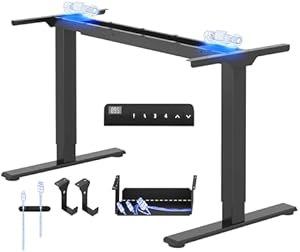
A more affordable frame-only option if you already have a desktop and want the FlexiSpot approach without going to the top tier.
Maidesite EL2 Pro Art
Checked: 05/24/2026
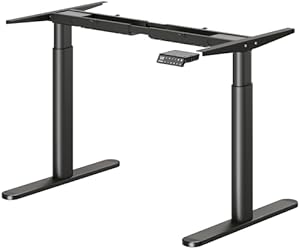
A heavy-duty alternative for larger desktops and heavier monitor setups.

JUMMICO 140 x 60 cm
Checked: 05/24/2026
The practical BEKANT-style alternative if you want a complete desk that arrives with the desktop included.
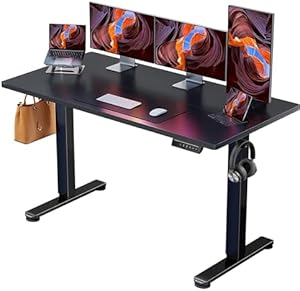
ErGear 140 x 70 cm
Checked: 05/24/2026
Complete desk with a more comfortable depth than many budget models. Good if you want an easier plug-and-work setup.

SANODESK QS+
Checked: 05/24/2026
A larger complete-desk option that fits people who liked BEKANT's all-in-one buying experience.
Used buying checklist
If you are considering a used BEKANT or E7, do not buy from photos alone. Raise it from minimum to maximum height several times, listen for uneven motor noise, check wobble at standing height and inspect all underside cables. A standing desk with tired motors is not a bargain; it is an expensive fixed desk waiting to happen.
For a broader view of current models, go to the best electric standing desks guide.
Used price logic
The used price has to compensate for three risks: motor wear, missing warranty and transport damage. If the price is close to a new current desk, the used desk loses most of its appeal.
With BEKANT, the risk is support and age. It was easy to buy new when it existed, but once discontinued, replacement parts and official support are less straightforward. With E7, the frame was stronger, but you still need the original power supply, controller, screws and cables.
I would only consider either model used if I could see it move through the full height range in person. A video is better than photos, but in-person testing is better than both.
If you liked the FlexiSpot E7
Look for:
- Strong frame.
- Memory presets.
- Good height range.
- Enough load capacity.
- Compatibility with a better desktop.
- Clean cable-management options.
The FlexiSpot EC5 PRO is the closest current direction in this page. FlexiSpot E1 PRO can make sense if you want a more accessible frame-first alternative.
If you liked the IKEA BEKANT
Look for a complete desk. You probably value simplicity more than customisation.
Prioritise:
- Desktop included.
- Easy assembly.
- Practical size.
- Clear controller.
- Return policy.
- Enough stability for your monitor setup.
JUMMICO, ErGear and SANODESK are closer to the BEKANT buying logic because they give you a complete desk instead of asking you to build around a frame.
The criterion people forget
Ask how often you will change height per day.
If the answer is “several times”, prioritise memory presets and stability. If the answer is “occasionally”, a simpler complete desk may be enough. If the answer is “almost never”, do not overpay for a standing desk at all.
This is also why presets matter so much. Standing desks fail as habits when the transition is slow, noisy or imprecise. If you want to alternate several times per day, choose a desk that makes the change almost automatic.
If you only want occasional standing, a simpler complete desk can be enough. If you want a true sit-stand rhythm, follow the E7-style route: stronger frame, memory positions and enough stability at your standing height.
Conclusion
The BEKANT vs E7 comparison still helps because it reveals your buying style. If you want a serious long-term frame, buy the modern equivalent of the E7 route. If you want a complete desk that is easy to understand, buy the modern equivalent of the BEKANT route.
For my own full-time remote-work setup, I would follow the FlexiSpot-style logic: stable frame, good desktop, memory presets and clean cables.
Used desk red flags
Walk away if:
- The desk rises unevenly.
- The motor makes grinding or clicking noises.
- The controller is unreliable.
- Screws are missing under the frame.
- The desktop is bowed or cracked.
- Cable clips or power supply parts are missing.
- The seller cannot show the desk moving.
A used electric desk is furniture plus machinery. If the machinery is tired, the desk is not a bargain.
Questions to ask the seller
Ask:
- How old is the desk?
- Was it used daily?
- Has it ever had motor errors?
- Is the original power supply included?
- Are all screws and brackets included?
- Can it be tested before pickup?
- Has it been disassembled before?
Disassembly matters because standing desks can be damaged or reassembled poorly if rushed.
What to buy if you want simplicity
If you liked BEKANT because it was simple, buy a complete desk. You want fewer decisions, not a frame project.
Look for:
- Desktop included.
- Sensible size.
- Clear controller.
- Easy returns.
- Good enough stability.
ErGear, JUMMICO and SANODESK fit this logic better than frame-only products.
What to buy if you want performance
If you liked the E7 because of performance, buy frame-first. You want a stronger structure, better desktop choice and more long-term flexibility.
Look for:
- Strong load capacity.
- Dual motors.
- Memory presets.
- Wide height range.
- Solid desktop compatibility.
- Clean cable management.
FlexiSpot EC5 PRO is the better match for that intent.
Final decision
Used BEKANT only makes sense at a clearly low price and in excellent working condition. Used E7 makes sense if the frame is healthy and complete. For most buyers today, a new current alternative is safer.
Why the comparison still matters
Even though both names are no longer the simple current-buy answer, the comparison teaches the most important standing-desk decision: convenience vs capability.
BEKANT was convenient. E7 was capable. Most buyers still fall into one of those camps.
If you hate comparing parts, choose a complete desk. If you want better frame quality and a custom desktop, choose a frame. If you are unsure, choose a complete current model with good return options instead of gambling on used furniture.
What I would not do today
I would not pay a premium for a used BEKANT just because it has IKEA recognition. I would not buy a used E7 without testing full height movement. I would not buy either if the price is close to a current electric desk with warranty.
I would also avoid buying any standing desk without measuring:
- Room width.
- Chair clearance.
- Monitor distance.
- Cable path.
- Seated elbow height.
- Standing elbow height.
The desk has to fit the room and body, not only the budget.
Alternative paths
The simple path
Buy a complete desk such as JUMMICO, ErGear or SANODESK. Assemble it, set two presets and focus on using it.
The serious setup path
Buy a stronger frame such as FlexiSpot EC5 PRO and choose a better desktop. This is better if you use monitor arms, heavier equipment or want the desk to last through future upgrades.
The used bargain path
Buy used only if you can test it, transport it safely and pay a price low enough to justify the risk.
How to judge any BEKANT/E7 replacement
Ask:
- Does it have memory presets?
- Is the frame stable at your standing height?
- Is the desktop deep enough?
- Can cables move safely?
- Is warranty clear?
- Does it fit your chair and room?
- Will you actually raise it daily?
If the answer fails on stability, height range or cable movement, skip it.
Final recommendation
For serious remote work, follow the E7 logic and buy a stronger current frame. For simple home-office use, follow the BEKANT logic and buy a complete current desk. For most people, buying a current model beats chasing discontinued names.
What made BEKANT attractive
BEKANT was attractive because it reduced buying anxiety. IKEA made the purchase feel familiar: one product family, one assembly logic, one place to return it. For many people setting up a first home office, that simplicity mattered more than motor specs.
That is still a valid need. Not everyone wants to compare frames and desktops. If you want the modern version of that experience, focus on complete desks with clear dimensions and straightforward assembly.
What made E7 attractive
E7 appealed to people who treated the desk as work equipment. The frame mattered. Presets mattered. Stability mattered. It was less about furniture and more about creating a reliable workstation.
That is still the better path for full-time remote workers with heavier setups. If the desk is used every day, small advantages in stability and controls become large over time.
The E7 route also gives more freedom with the desktop. You can choose depth, finish and material instead of accepting the board that comes in the box. That matters if you use a large monitor, a monitor arm, speakers or a deeper keyboard setup.
The downside is effort. A frame-first desk asks you to think about board size, drilling, cable trays and assembly. It is the better workstation path, but not the lowest-friction path.
The warranty problem with discontinued comparisons
The biggest issue today is not whether BEKANT or E7 was better. It is support. Discontinued or older models can be harder to repair, harder to source parts for and harder to evaluate used.
When a current desk has warranty, return path and available parts, that often beats a famous discontinued model unless the used price is very compelling.
How to inspect a used standing desk in person
Bring a phone charger or small device if possible to test power availability near the pickup area. Ask the seller to run the desk:
- Lowest position.
- Highest position.
- Stop halfway.
- Return to saved preset if available.
- Repeat once.
Watch for uneven leg movement, hesitation, controller errors and noise changes. Then press on the desktop lightly at standing height. Some wobble is normal; distracting movement is not.
Inspect underside:
- Motor cables.
- Controller box.
- Power supply.
- Missing screws.
- Bent frame parts.
- DIY modifications.
If anything looks improvised, discount heavily or walk away.
Transport risk
Standing desks are awkward to move. Motors, legs and controller cables can be damaged during disassembly or transport. If you buy used, plan the move:
- Photograph cable routes before unplugging.
- Keep screws in labelled bags.
- Avoid dragging legs.
- Protect desktop corners.
- Reassemble without forcing bolts.
A badly transported E7 or BEKANT can become worse than a cheaper new desk.
Who should still choose each route
Choose the BEKANT-style route if you want a complete desk, predictable assembly, clean looks and no separate desktop decision. This route is best for lighter setups, smaller rooms and people who mostly want to replace a fixed desk with an adjustable one.
Choose the E7-style route if the desk is central to your workday. It is the better fit for dual monitors, monitor arms, heavier desktops, daily height changes and people who want the setup to survive future upgrades.
Choose neither discontinued model if you want warranty certainty. In that case, treat this comparison as a buying framework and purchase a current desk that follows the same logic.
Decision tree
- Want simplest purchase: complete current desk.
- Want strongest workstation: current FlexiSpot-style frame.
- Found cheap used BEKANT: test it carefully.
- Found used E7: buy only if complete and smooth.
- Price close to new: buy new.
- Heavy monitors: avoid weak complete desks.
- Small room: prioritise dimensions and cable path.
Extended FAQ
Is IKEA BEKANT still worth buying used?
Only if it is cheap, complete and tested in person. It is not worth paying close to new-desk pricing for an older electric desk with unknown motor wear.
Is FlexiSpot E7 still worth buying used?
Yes, if the frame is healthy, complete and priced sensibly. The E7 was the stronger desk, but used condition matters more than old reputation.
What replaced the FlexiSpot E7 idea?
Current stronger FlexiSpot frames such as EC5 PRO follow the same logic: better frame, memory presets and more serious long-term setup.
What replaced the BEKANT idea?
Complete electric desks such as JUMMICO, ErGear and SANODESK follow the BEKANT logic: one purchase, desktop included, simpler assembly.
Which is better for a small room?
A complete desk is often easier because dimensions are fixed. But a frame-only setup can be better if you choose a custom desktop that fits the room precisely.
Which is better for two monitors?
The E7-style route. Two monitors and arms need more stability and desktop strength.
Should I avoid discontinued desks?
Not always, but be cautious. Parts, warranty and resale support are weaker. New current alternatives are safer for most buyers.
What matters more: motor count or stability?
Stability. Motor count contributes, but the real question is whether the desk feels solid at your standing height with your equipment.
What if I only stand occasionally?
Then do not overbuy. A simpler complete desk may be enough, or you may not need a standing desk at all.
What would I buy today?
For a serious setup, FlexiSpot EC5 PRO. For a simple complete desk, ErGear or SANODESK depending on size and availability.